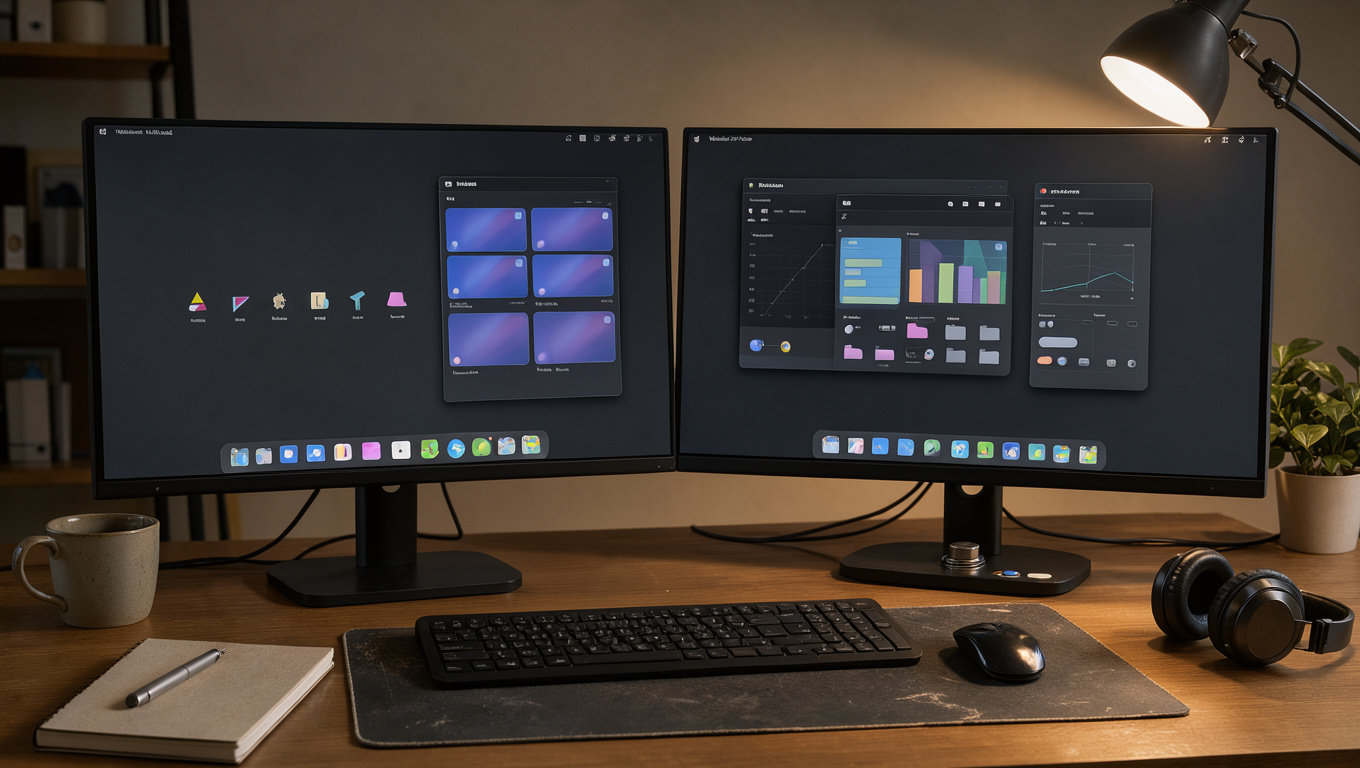
KDE’s own operating system now loads the ntsync kernel module out of the box. The change sounds like a footnote, but it is the kind of default that says a lot about where the project thinks its users are: running Windows software through Wine and Proton, and expecting the game to behave the same as it would on Windows.
What the module is for
Wine has to reproduce a set of Windows synchronisation primitives that have no direct equivalent in a Unix kernel. For years it emulated them with polling loops, trading CPU time for correctness. ntsync implements those primitives in the kernel itself, so a thread that is waiting can actually sleep instead of spinning.
Loading it by default means the user no longer has to know the module exists. The cost is a small amount of kernel memory and one more moving part in the boot path; the benefit is measured in frames and in CPU load on games that lean heavily on synchronisation.
An immutable distribution with dated releases on the way
KDE Linux is built as an immutable image: the system itself is replaced whole rather than patched in place, and user data lives outside it. That design makes a default like this easy to ship and hard to break, because the module list is part of the image the project tests before tagging it.
The team puts the project at roughly 85% of the way to beta. The milestone that matters is not the percentage but what comes with it: editions with dated releases instead of only daily images. Dated releases are what let a cautious user plan an upgrade instead of tracking a moving target.
Why the default matters more than the feature
Anyone who wanted kernel-side synchronisation on a general-purpose distribution could already load the module by hand. Making it the shipped configuration is a different kind of statement: it says the typical KDE Linux user is expected to run Windows titles, and that the project is willing to spend its kernel budget on that expectation.
Nothing here changes what the desktop looks like. It changes what happens when you launch a game and the compositor, the driver and Wine all reach for the same locks at the same time.
Be the first to leave a comment